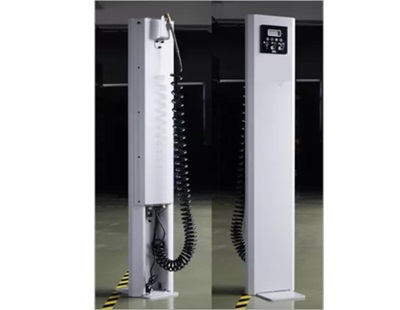
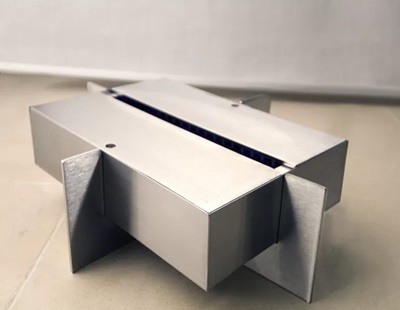
Precision sheet metal products play a pivotal role in modern manufacturing processes, offering unparalleled accuracy and functionality for a wide array of applications. Whether used in aerospace sheet metal fabrication or customized solutions, these components ensure that complex assemblies are executed with meticulous detail. The integration of precision in metal fabrication design means that parts fit seamlessly, operate efficiently, and last longer. This article explores the essential aspects of precision sheet metal fabrication, including what defines a component as precise, the tools used in the process, industries that depend on precision parts, commonly employed techniques, and the challenges faced in maintaining precision during fabrication.
A key factor that defines a precision sheet metal component is its adherence to exacting specifications that demand tight tolerances, surface finishes, and dimensions. The essence of precision is to minimize deviation, so the component performs reliably within its operational environment. This level of accuracy is achieved through advanced technologies such as CNC machining and laser cutting, which provide consistent and repeatable results.
The demand for precision is particularly high in sectors like aerospace sheet metal fabrication, where even the smallest deviation can compromise safety and performance. Tolerances are often as low as a few microns, requiring state-of-the-art equipment and meticulous quality control processes. As such, precision parts are designed with an intense focus on functionality and compatibility.
The use of specialized tools and machinery is fundamental to achieving precision in sheet metal fabrication. CNC machines, laser cutters, and hydraulic presses are among the primary tools employed to cut, shape, and assemble metal parts with high precision. These tools allow for the manipulation of metal sheets with minimal material waste and impeccable accuracy.
Moreover, the implementation of CAD software in metal fabrication design is imperative for drafting intricate designs and ensuring that every aspect of the component meets the defined criteria. This digital design process enhances precision by allowing for thorough simulations and adjustments before the physical production begins.
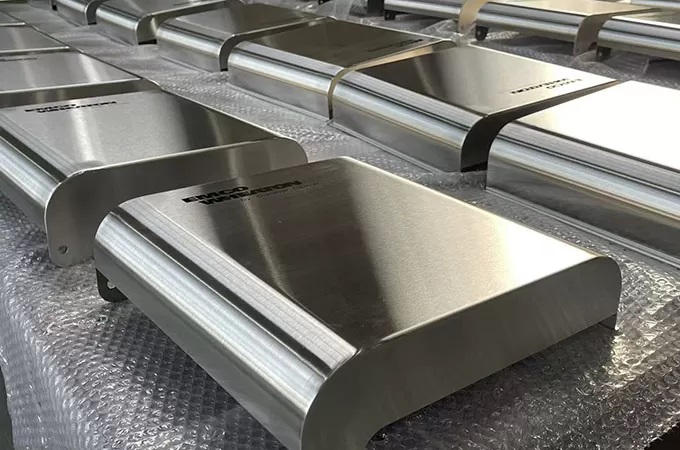
Precision sheet metal products are indispensable in a variety of industries that demand high-performance and reliability. The aerospace sector, for instance, relies heavily on these components for everything from fuselage parts to engine mountings, where exacting standards are non-negotiable.
Similarly, the electronics industry utilizes precision parts to create enclosures and frameworks for delicate components, ensuring protection and functionality. Automotive manufacturing also employs these components for both aesthetic and operational parts, contributing to vehicle safety and performance. Some applications even require nuclear steel fabrication for enhanced durability and safety.
There are several techniques commonly used to achieve the required precision in metal fabrication. Laser cutting is at the forefront, offering high-speed production and extreme accuracy. CNC machining is another critical process, known for its ability to sculpt components from a solid block of material with precision.
Bending techniques such as press braking allow for the production of complex geometries without compromising dimensional accuracy. In addition, techniques like waterjet cutting and precision welding are employed in complex sheet metal assembly to maintain high tolerances and structural integrity.
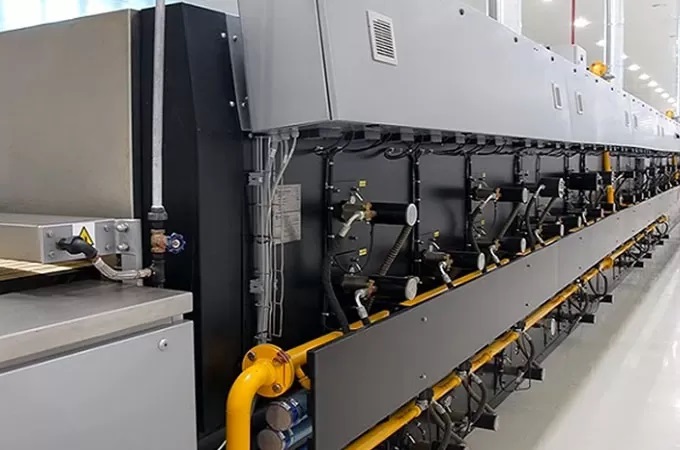
Despite technological advancements, several challenges persist in achieving and maintaining precision in sheet metal fabrication. Material inconsistencies can lead to deviations in the final product, emphasizing the need for stringent quality control measures. Additionally, maintaining precision during bespoke metal fabrication can be difficult due to the unique requirements and customizations involved.
Furthermore, the integration of new technologies and tools often requires continuous training and adaptation, imposing a learning curve on manufacturers. The delicate balance between efficiency and precision also presents logistical challenges, as achieving high precision often requires slower and more meticulous processes.
In conclusion, precision sheet metal services are vital to the functionality and success of many industries. By understanding the factors that define, create, and challenge precision, manufacturers can continue to innovate and deliver high-performing, durable products. For businesses seeking to utilize precision components, working with experienced manufacturers who understand the complexities and demands of precision fabrication is crucial.
For unmatched flexible customization, high precision, and fast turnaround, partner with SHARP CENTURY. With over 20 years of expertise, advanced CNC and laser cutting technology, and top-tier welding certifications, we deliver reliable, durable sheet metal components tailored to your exact requirements. Contact SHARP CENTURY today to optimize your manufacturing process with precision and efficiency.