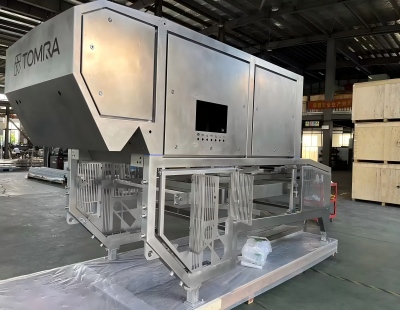
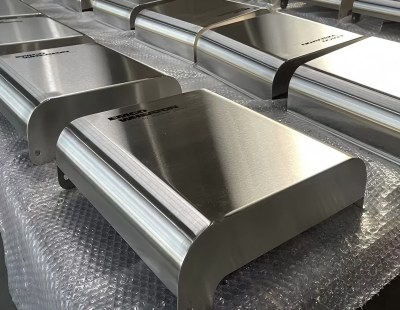
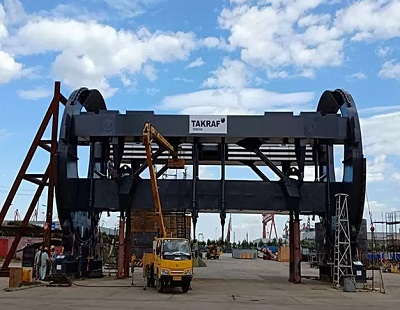
Sheet metal manufacturing is a vital process in various industries, providing essential components for applications ranging from aerospace sheet metal fabrication to electronics. By understanding the complete lifecycle of sheet metal production, stakeholders can make informed decisions that enhance product quality and operational efficiency. This detailed guide explores the step-by-step processes involved in sheet metal manufacturing, including raw material selection, rolling and forming techniques, cutting and shaping methods, finishing, and comprehensive quality control strategies. Whether you're involved in bespoke metal fabrication or simply interested in the nuances of metal fabrication design, this article offers valuable insights into the practices driving this fundamental industry.
The choice of raw materials is foundational in sheet metal assembly, influencing durability, flexibility, and suitability for specific applications. Industries like aerospace sheet metal fabrication demand materials that provide strength without excessive weight. Typical materials include steel, aluminum, copper, and titanium, each offering distinct properties tailored to diverse manufacturing requirements.
Material | Properties | Applications |
Steel | High tensile strength, durability | Automotive, construction |
Aluminum | Lightweight, corrosion resistance | Aerospace, transportation |
Copper | Conductivity, malleability | Electrical components |
Titanium | High strength-to-weight ratio, resilience | Aerospace, medical devices |
Through selecting materials with these characteristics, manufacturers can optimize the precision sheet metal processes to meet the exacting standards of various industries.
In the metal fabrication design phase, rolling and forming are critical steps. Rolling process involves passing the metal through rollers to achieve the desired thickness, while forming shapes the metal into necessary contours. These processes are vital in crafting components with uniformity and structural integrity, beneficial for anything from aircraft structures to architectural elements.
Key rolling methods include:
Hot Rolling: Involves processing the metal at high temperatures, making it easier to shape.
Cold Rolling: Conducted at or near room temperature, offering enhanced surface finish and precision.
Forming techniques such as bending, drawing, and stamping are routinely employed to fashion components with precision and consistency. The ability to manipulate materials efficiently highlights the importance of these processes in bespoke metal fabrication.
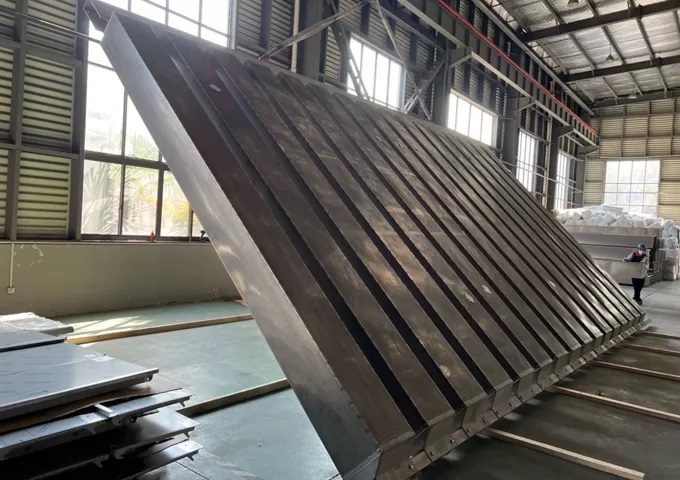
Precision is paramount in cutting and shaping techniques, crucial to the success of sheet metal assembly. Various methods are employed to achieve the desired geometry and dimensions, ensuring parts fit seamlessly within larger assemblies.
Common cutting methods include:
Laser Cutting: Provides accuracy and speed for complex designs.
Water Jet Cutting: Uses high-pressure water streams, ideal for heat-sensitive metals.
Plasma Cutting: Offers a fast, cost-effective option for non-precision parts.
Advanced shaping techniques, like CNC machining, ensure that products meet stringent specifications—an essential feature in sectors like aerospace sheet metal fabrication where every gram and millimeter matters.
Finishing and coating serve both an aesthetic and functional purpose in metal fabrication design. These methods protect surfaces from corrosion, enhance appearance, and sometimes even improve mechanical properties.
Popular finishing techniques include:
Anodizing: Ideal for aluminum, providing a durable and aesthetically pleasing surface.
Powder Coating: Offers a thick, uniform finish that resists chipping and fading.
Galvanizing: Adds a protective zinc layer, crucial for rust prevention.
By applying these techniques, manufacturers ensure that each piece is not only functional but long-lasting, meeting the high standards of bespoke metal fabrication projects.
Quality control is the backbone of ensuring reliability and safety in precision sheet metal manufacturing. Rigorous inspection processes identify and mitigate defects, ensuring each component meets applicable industry standards and customer specifications.
Effective quality control strategies include:
Statistical Process Control (SPC): Utilizes statistical methods to monitor and control production quality.
Non-destructive Testing (NDT): Methods like X-rays and ultrasonic testing identify internal defects without compromising the part.
Automated Optical Inspection (AOI): Inspects components for surface defects and inconsistent dimensions.
Implementing these quality control techniques reinforces confidence in sheet metal assembly processes, providing assurance that products will perform as intended in real-world applications.
In conclusion, understanding the intricacies of sheet metal manufacturing—from initial material selection to final quality assurance—equips industry professionals and enthusiasts alike with the knowledge needed to appreciate and engage in this dynamic field. Whether your interest lies in sourcing components for aerospace sheet metal fabrication or exploring innovative metal fabrication design techniques, this comprehensive guide serves as a valuable resource for embracing the possibilities within this essential industry.