Stainless steel is one of the most versatile and widely used materials in modern manufacturing. Known for its corrosion resistance, durability, and clean appearance, it plays a critical role across industries such as construction, medical devices, food processing, and industrial equipment. However, working with stainless steel requires specialized knowledge, proper tools, and precise techniques.
At Sharp Century, advanced capabilities in stainless steel sheet metal fabrication enable the production of high-quality custom components tailored to diverse industrial needs. Understanding how stainless steel is fabricated can help engineers, buyers, and manufacturers make informed decisions and achieve optimal results.
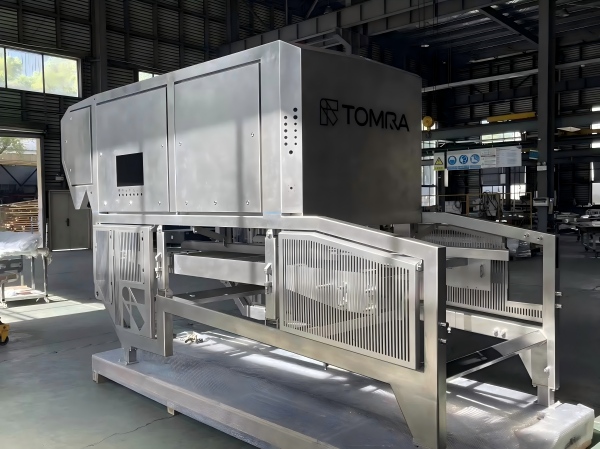
Essential Tools for Stainless Steel Fabrication
Successful stainless sheet metal fabrication begins with the right set of tools. Stainless steel is stronger and more heat-resistant than many other metals, so standard tools may not always be sufficient.Cutting Tools
Laser cutting machines
CNC plasma cutters
Shearing machines
Band saws
Among these, stainless steel laser cutting service is widely preferred for its precision and clean edges, especially in complex designs.Forming and Shaping Tools
These tools are essential for shaping flat sheets into functional components such as enclosures, brackets, and panels.Finishing Tools
Grinding machines
Polishing tools
Deburring equipment
Finishing tools ensure smooth surfaces, remove imperfections, and enhance the aesthetic appeal of stainless steel products.Measurement and Layout Tools
Calipers
Micrometers
Laser measuring systems
Precision measurement is critical to maintaining tight tolerances in stainless steel sheet fabrication projects.Techniques for Cutting and Shaping Stainless Steel
Fabricating stainless steel involves multiple processes, each selected based on the desired shape, thickness, and application.1. Laser Cutting
Laser cutting uses a focused beam to melt and vaporize metal, producing highly accurate cuts with minimal distortion. It is ideal for thin to medium-thickness sheets and intricate geometries.2. Waterjet Cutting
Waterjet cutting uses high-pressure water mixed with abrasive materials to cut stainless steel without generating heat, making it suitable for heat-sensitive applications.3. Mechanical Cutting
Processes such as shearing and sawing are used for straight cuts and simpler designs. These methods are cost-effective but may require additional finishing.4. Bending and Forming
Stainless steel can be bent into various shapes using press brakes or roll forming machines. Proper tooling and force control are necessary to avoid cracking or deformation.Comparison of Cutting Methods
| Method | Precision | Heat Impact | Best Use Case |
|---|
| Laser Cutting | Very High | Moderate | Complex designs |
| Waterjet Cutting | High | None | Thick or heat-sensitive materials |
| Mechanical Cutting | Medium | Low | Simple shapes |
| Plasma Cutting | Medium | High | Fast cutting of thick sheets |
These techniques form the foundation of stainless steel sheet metal fabrication, allowing manufacturers to create both simple and highly complex components
.At Sharp Century, these processes are integrated with advanced equipment to ensure consistent quality from prototyping to mass production.
Welding Methods Suitable for Stainless Steel Projects
Welding is a critical step in stainless steel fabrication, especially for assembling multiple components into a finished product.Common Welding Methods:
1. TIG Welding (Tungsten Inert Gas)
Produces clean, precise welds
Ideal for thin stainless steel sheets
Excellent control and aesthetic finish
2. MIG Welding (Metal Inert Gas)
3. Spot Welding
4. Laser Welding
Choosing the right welding method depends on the application, material thickness, and required strength of the final product.Common Challenges in Stainless Steel Fabrication
Despite its advantages, stainless steel presents several challenges during fabrication.1. Work Hardening
Stainless steel becomes harder as it is deformed, making cutting and shaping more difficult if not handled correctly.2. Heat Sensitivity
Excessive heat can lead to warping or discoloration, particularly during welding or cutting.3. Tool Wear
The hardness of stainless steel can cause faster wear on tools, increasing maintenance requirements.4. Surface Scratching
Maintaining a clean, scratch-free surface is essential, especially for visible or decorative applications.5. Cost Considerations
Stainless steel is generally more expensive than other metals, requiring efficient processes to reduce waste and improve yield.
Understanding these challenges helps manufacturers optimize processes and maintain consistent quality in stainless steel sheet fabrication projects.
Safety Tips When Working with Stainless Steel
Working with stainless steel involves potential risks, especially when using high-powered equipment and thermal processes.Key Safety Practices:
1. Wear Protective Equipment
Use gloves, safety glasses, and protective clothing to prevent injuries from sharp edges and sparks.2. Ensure Proper Ventilation
Cutting and welding can produce fumes that require proper ventilation systems.3. Handle Materials Carefully
Stainless steel sheets can have sharp edges that pose a risk during handling.4. Maintain Equipment Regularly
Well-maintained machines reduce the risk of accidents and ensure consistent performance.5. Follow Operational Guidelines
Proper training and adherence to safety procedures are essential for safe fabrication.
By following these precautions, manufacturers can ensure a safe and efficient working environment.
In modern manufacturing, stainless steel sheet metal fabrication remains a cornerstone process for producing durable, high-performance components. From cutting and forming to welding and finishing, each step requires precision, expertise, and the right technology.
At Sharp Century, a commitment to quality and advanced manufacturing techniques ensures reliable solutions for a wide range of stainless steel applications, supporting clients with efficient and precise fabrication services.
FAQs About Stainless Steel Fabrication
1. What grades of stainless steel are commonly used in fabrication?
Common grades include 304 and 316 stainless steel. Grade 304 offers good corrosion resistance and affordability, while 316 provides enhanced resistance for harsh environments.2. How do you prevent discoloration during fabrication?
Proper heat control, protective gases, and post-processing techniques such as pickling or passivation help maintain the original appearance.3. Is stainless steel environmentally friendly?
Yes, stainless steel is highly recyclable and has a long lifespan, making it a sustainable material for many applications.4. Can stainless steel be reused after fabrication?
In many cases, leftover materials or scrap can be recycled and reused in new production processes.5. What industries rely most on stainless steel fabrication?
Industries such as food processing, medical equipment, construction, and energy sectors heavily depend on stainless steel components for durability and hygiene.